WW/TRUCKINGRA
US trucking crackdown stokes fears of border freight disruptions
US trucking enforcement crackdown raises disruption fears on the US–Mexico corridor, where nearshoring volumes leave shippers few alternatives.
- Desk
- Trucking & Rail
- By
- Amara Osei
- Filed
- Length
- 370 words
- Read
- 2 min
Key points04
- US authorities are cracking down on trucking, raising disruption concerns on the US–Mexico corridor
- FreightWaves' Borderlands Mexico column flagged the enforcement risk this week
- No rate or capacity impact has been quantified yet; the risk remains prospective
- Cross-border trucking carries growing nearshoring volumes with limited modal alternatives
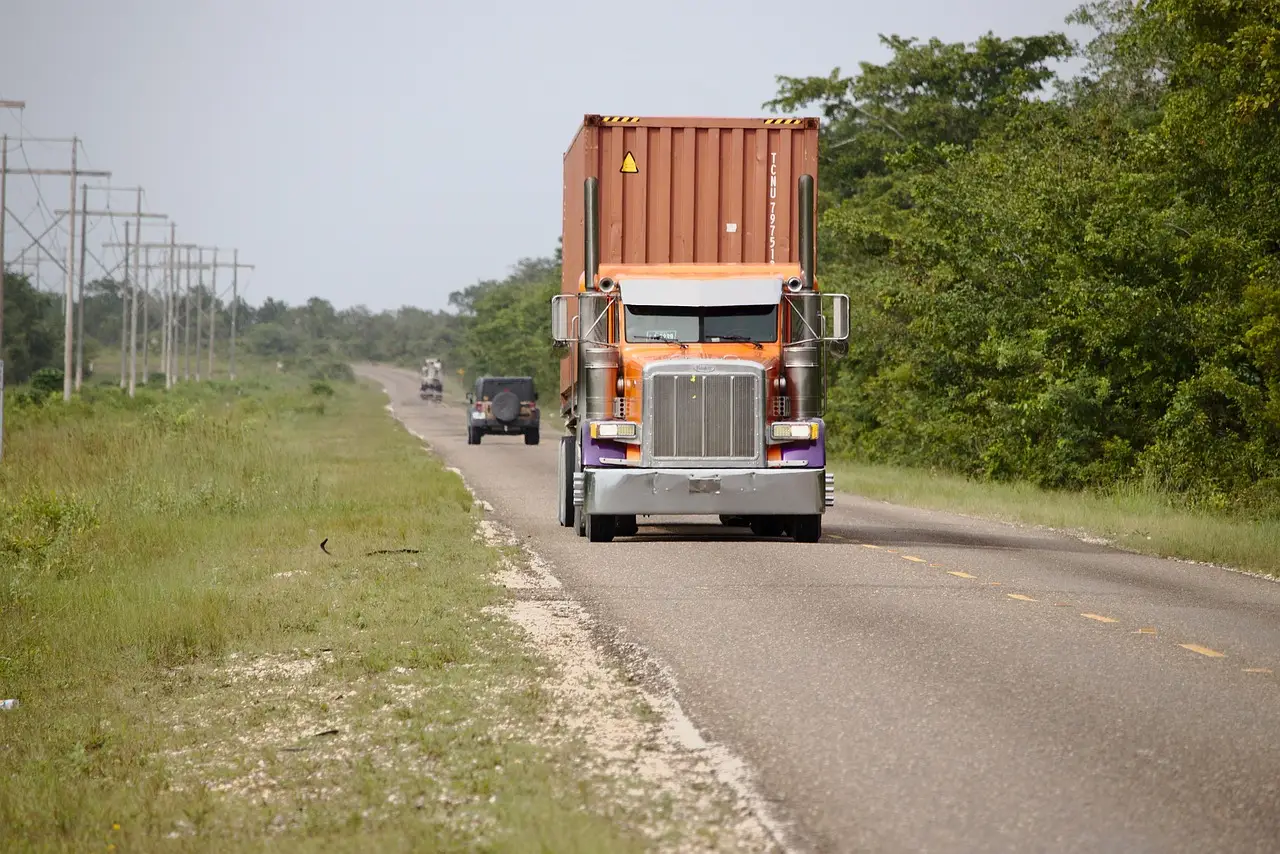
A US enforcement crackdown on trucking is raising concerns about freight disruptions on the US–Mexico corridor, FreightWaves reports in its Borderlands Mexico column — a lane that has absorbed growing volumes as shippers re-routed Asian imports through Mexican gateways.
The Borderlands column tracks cross-border trucking, rail and industrial activity between the two countries. This week's edition flags the crackdown as the standout risk: tighter enforcement of US trucking rules threatens to pinch capacity exactly where northbound Mexican freight has been running hottest.
What does this change for shippers and forwarders?
The practical question is capacity. If enforcement removes trucks or drivers from the market — through out-of-service orders, licensing scrutiny or carrier audits — available cross-border equipment tightens. Shippers moving auto parts, appliances and electronics from Monterrey, Bajío and border-state plants into US distribution networks would feel it first, through longer transit quotes and firmer spot rates on northbound lanes.
For carriers, the calculus cuts both ways. Mexican-domiciled operators face higher compliance exposure at the border and during inland US runs. US carriers, meanwhile, could see capacity tighten in their favor — modest compensation for two soft freight years.
Forwarders and brokers working the corridor should expect more documentation friction. Enforcement drives tend to mean more inspections, more vetting of carrier paperwork, and slower crossing times at entries such as Laredo, the busiest truck crossing on the southern border.
Why the corridor matters
Cross-border trucking has become structural to North American supply chains. Nearshoring investment has pushed more Mexican factory output onto US highways, and any enforcement action that thins driver or equipment supply lands on a lane that shippers can't easily rerun through other modes at short notice. Rail can absorb some of it, but not on demand.
That asymmetry is the story. Ocean shippers have options when a port jams; cross-border truck shippers mostly have patience.
The road ahead
The Borderlands report frames the crackdown as a concern rather than a realized disruption — no lane-level rate spike or capacity figure has been published yet. Watch inspection delays at major crossings and northbound truckload spot pricing over the coming weeks; those will tell you whether enforcement bites or merely growls.
Source: Google News: trucking industry
More from Amara Osei
Show full bio
Staff writer covering regulation, policy and their impact on Ocean and air freight, container shipping at Waybill Wire.
544 articles